
Mastering Low Voltage Training: Essential Skills for Future Technicians
Understanding Low Voltage Training
What is Low Voltage Training?
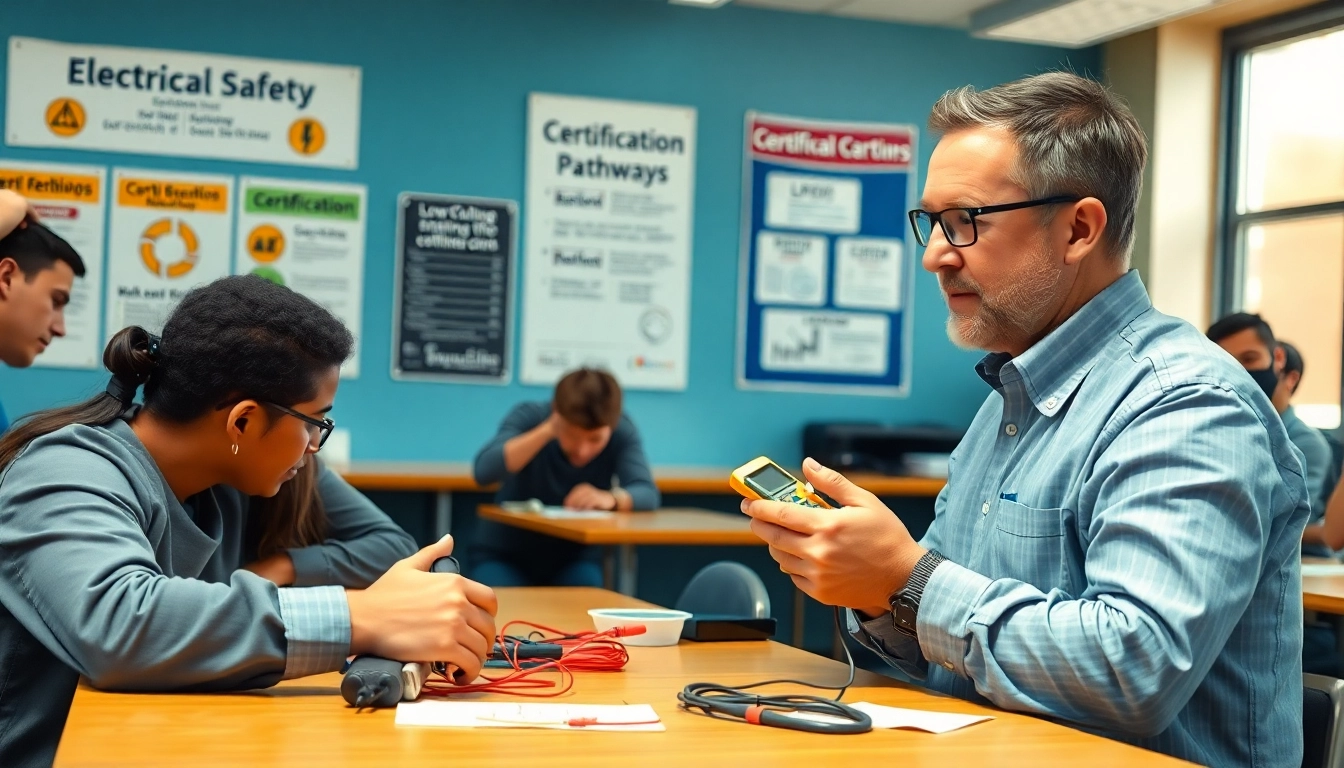
Low voltage training encompasses a specialized education that focuses on the installation, maintenance, and troubleshooting of low voltage systems, characterized by operating at 50 volts or below. These systems are vital for modern infrastructure, powering a wide array of applications including telecommunications, security systems, audio-visuals, and building automation. Low voltage training enables technicians to develop the knowledge and skills necessary to work safely and effectively in this burgeoning sector.
Importance of Low Voltage Training in Today’s Market
The global trend towards automation and the integration of technology into everyday life has significantly heightened the demand for skilled professionals in low voltage systems. With advancements in smart home technology, security systems, networking, and building management systems, businesses require trained technicians to install and maintain these systems. The absence of proper low voltage training can lead to unsafe installations, poor system performance, and compliance issues, which underscores the necessity for robust training programs that prepare workers for real-world challenges.
Key Concepts and Terminology
To fully grasp the principles of low voltage training, it’s essential to be familiar with certain key concepts and terminologies. These include:
- Voltage: The force that drives electric current; low voltage refers to systems operating at 50 volts or less.
- Current: The flow or movement of electric charge in a circuit.
- Resistance: The opposition to the flow of current, often measured in ohms.
- Signal Loss: The reduction in strength of a signal as it travels through cables.
- Grounding: The process of removing excess electric charge by transferring it to the earth.
Core Components of Low Voltage Systems
Types of Low Voltage Systems
Low voltage systems can be broadly categorized into several types, each serving distinct functions within residential and commercial environments. Here’s an overview of major low voltage systems:
- Security Systems: These systems include alarms, surveillance cameras, and access control, designed to protect premises. Knowledge in wiring and signal integrity is crucial.
- Telecommunications: This includes telephone lines, data cabling, and networking hardware essential for communication. Familiarity with cabling standards is vital for effective installations.
- Audio-Visual Systems: These systems encompass platforms for sound and video distribution, such as public address systems and home theater setups. Understanding signal types and equipment compatibility is important.
- Building Automation: This involves smart systems managing HVAC, lighting, and energy usage efficiently, requiring both technical and software knowledge.
Common Tools in Low Voltage Training
A comprehensive low voltage training program will expose trainees to a variety of tools essential for installing and maintaining low voltage systems. Some of these tools include:
- Multimeter: For measuring voltage, current, and resistance, essential for diagnostics.
- Wire Strippers: Used to remove insulation from wires without damaging the conductors.
- Crimpers: For securing connectors to the ends of wires.
- Cable Tester: Used to verify signal integrity and functionality in installed cables.
- Soldering Iron: For permanently joining electrical connections, crucial for certain installations.
Technical Safety Protocols
Safety is paramount when working with low voltage systems. Proper education on technical safety protocols is crucial to prevent accidents and ensure compliance with regulatory standards. Key safety protocols include:
- Using Personal Protective Equipment (PPE): Gear such as gloves and goggles protects technicians from electrical shock and debris.
- Understanding Electrical Codes: Familiarity with national and local electrical codes ensures installations are safe and compliant.
- Lockout/Tagout Procedures: These procedures ensure circuits are de-energized while maintenance is conducted, preventing accidental electrocution.
- Proper Tool Usage: Training on how to use tools correctly is necessary to avoid injuries.
Creating an Effective Low Voltage Training Program
Identifying Learning Objectives
To create an effective low voltage training program, it is imperative to identify specific learning objectives. Understanding what knowledge and skills trainees need allows educational institutions to tailor their curriculum effectively. Objectives might include:
- Understanding basic electrical principles and terminology
- Gaining hands-on experience with low voltage installations
- Learning to read and interpret schematics
- Understanding safety practices specific to low voltage work
Designing Curriculum and Hands-On Activities
A well-rounded curriculum should blend theoretical knowledge with practical hands-on activities. Effective components include:
- Classroom Instruction: Covering the theories behind low voltage systems, safety, and installation practices.
- Hands-On Labs: Offering real-world scenarios where students can apply their knowledge, including wiring, troubleshooting, and system installations.
- Guest Lectures: Inviting industry experts to share insights and recent developments.
Assessing Trainee Progress
Evaluation methods are critical in determining the effectiveness of a training program. Techniques such as:
- Quizzes and Exams: Regular tests to assess understanding of theoretical concepts.
- Practical Assessments: Evaluating hands-on skills through projects or simulations.
- Feedback Surveys: Collecting feedback from trainees to improve program quality.
Advancing Your Skills in Low Voltage Training
Certification Paths in Low Voltage Training
Certification can significantly bolster your qualifications in the low voltage field. Various accrediting bodies offer certifications such as:
- Low Voltage Technician Certification: Recognizes proficiency in installing low voltage systems.
- Electronic Security Technician Certification: Validates skills in security system installation and integration.
- Voice/Data/Video Certification: For professionals working with telecommunications.
Continued Education Opportunities
The field of low voltage technology is ever-evolving, so continued education is essential for staying current. Opportunities include:
- Workshops and Seminars: Short courses focused on new technologies and practices.
- Online Courses: Many organizations offer flexible online learning options designed for working professionals.
- Conferences: Networking events provide insights into trends, certifications, and the latest developments in the field.
Networking and Industry Resources
Building connections within the industry can open doors to opportunities and collaboration. Resources include:
- Professional Associations: Joining organizations such as the National Low Voltage Association provides access to resources and networking events.
- Online Forums and Communities: Participating in discussions can enhance knowledge-sharing and support.
- Local Training Centers: Collaborating with trainers and other trainees can provide invaluable experiences and insights.
FAQs about Low Voltage Training
What careers can I pursue with low voltage training?
Low voltage training equips you for roles such as low voltage technician, installer, and project manager in fields like telecommunications and security.
Is low voltage training suitable for beginners?
Absolutely! Many programs cater to beginners, providing a solid foundation and hands-on experience in low voltage systems.
What tools do I need for low voltage training?
Essential tools include multimeters, wire strippers, crimpers, and various connectors to work effectively with low voltage systems.
How long does low voltage training typically last?
Training duration varies but usually spans several weeks to months, depending on the program’s depth and complexity of skills taught.
Can I take low voltage training online?
Yes, many institutions offer online courses that cover the theoretical components, often supplemented with practical sessions.