
Maximize Your Reach: Strategy and Technology in Sports Broadcasting
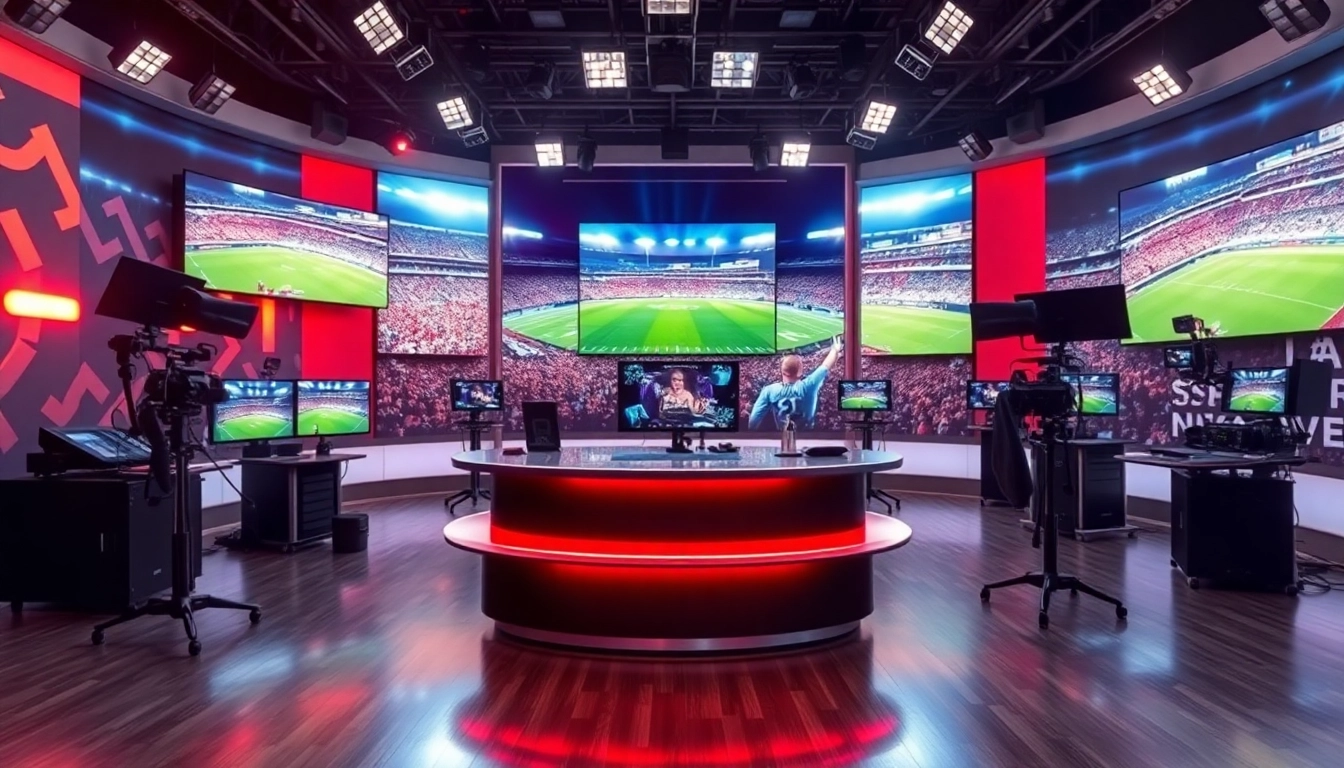
Introduction to Sports Broadcasting
Sports broadcasting has transformed dramatically over the decades, evolving from simple radio commentaries to multi-platform live streaming experiences. It encompasses the live coverage of sporting events, analysis, highlights, and much more. With an ever-increasing demand for daily sports content, the industry is booming. Today, audiences expect high-quality coverage that is not only informative but also engaging. A deep dive into Sports Broadcasting reveals its complexities and immense potential.
The Evolution of Sports Broadcasting
The journey of sports broadcasting dates back to the early 20th century. The first-ever sports broadcast took place in 1921, featuring a boxing match. As technology advanced, so did broadcasting methods. Radio became popular, followed by television in the 1950s, which revolutionized how sports were consumed. The advent of cable and satellite television further expanded access.
In recent years, the availability of online streaming platforms and social media integration marks another pivotal shift. Fans now enjoy remote access to events via mobile devices, enabling instant engagement. This evolution reflects a broader trend where the audience demands more interaction and personalization from their viewing experiences.
Importance of Sports Broadcasting Today
Today, sports broadcasting is not just about delivering content; it plays a crucial role in driving revenue, influencing culture, and enhancing brand visibility. Media rights deals have become a primary financial source for sports organizations, allowing them to invest in better facilities, player development, and community initiatives. Additionally, sports broadcasts foster community engagement, often drawing local audiences together around shared experiences.
The Impact of Technology on Sports Broadcasting
Technology has been a game-changer in sports broadcasting. Innovations like high-definition video, 4K streaming, and immersive audio have vastly improved the viewer experience. Moreover, the integration of analytics allows broadcasters to provide real-time insights into games, changing how audiences understand the sport.
Social media platforms now serve as additional channels for broadcasts, maximizing audience reach. Augmented reality (AR) and virtual reality (VR) are paving the way for interactive experiences, allowing fans to experience games as if they were in the stadium.
Essential Components of Sports Broadcasting
Broadcasting Equipment You Need
The backbone of sports broadcasting is its equipment. High-quality cameras, microphones, and production software are essential. Broadcast cameras must be capable of capturing fast-paced action with clarity, while microphones should minimize ambient noise to deliver crisp commentary.
Additionally, streaming equipment and software, such as encoders and video production tools, are vital. The technical infrastructure also includes servers capable of handling high traffic during live events to ensure seamless streaming.
Understanding Different Broadcasting Platforms
Various platforms can be utilized for sports broadcasting, including traditional TV, pay-per-view, and online streaming services. Traditional TV remains a significant player, especially for tightly scheduled games. Pay-per-view offers a direct revenue channel for premium events, while online streaming services attract younger home-viewers.
Social media platforms such as Facebook, Twitter, and Instagram serve as supplementary broadcasting mediums, enabling real-time updates and access to highlights. Content should be tailored to each platform for maximum effect, since audiences on these sites engage differently compared to traditional formats.
Key Roles in Sports Broadcasting
The sports broadcasting industry encompasses a variety of roles. Commentators bring the game to life with their expertise, while analysts provide in-depth insights and context. Producers coordinate all aspects of the broadcast, ensuring everything runs smoothly, from camera angles to timing of segments.
Camera operators play a crucial role as well, delivering the best visual storytelling. Behind the scenes, technicians maintain equipment and manage streaming quality, ensuring that viewers receive the highest level of service at all times.
Challenges in Sports Broadcasting
Technical Issues and Solutions
Technical difficulties are a common challenge in sports broadcasting. Problems such as connectivity issues, equipment malfunctions, and software glitches can disrupt live events. To mitigate the risk, it’s important to invest in high-quality equipment and create robust backup plans.
Regular training and testing of equipment before live broadcasts can help ensure that teams are prepared for any unforeseen issues. Establishing a dedicated technical support team to troubleshoot during broadcasts can minimize downtime.
Regulatory and Legal Considerations
Sports broadcasting operates within a complex legal landscape. Licensing deals must be established to legally broadcast events, and adherence to copyright laws is essential. Additionally, broadcasters must navigate rules regarding viewer requests, customer data, and advertising standards.
To avoid legal complications, it’s crucial for broadcasters to consult with legal experts familiar with media law. Understanding worldwide regulations about broadcasting can also protect organizations from fines and lawsuits.
Meeting Audience Expectations
As audiences become more discerning, meeting their expectations is crucial for retaining viewership. High-definition imagery, seamless streaming, and informative commentary are not optional; they are essential. Audience engagement strategies, such as viewer polls, Q&A sessions, and real-time analytics, can enhance viewer satisfaction.
Building relationships through personalized content and targeted marketing strategies can foster loyalty. Broadcasters should continuously assess feedback and adapt to audience preferences to maintain relevance in a competitive marketplace.
Best Practices in Sports Broadcasting
Engagement Strategies for Viewers
Engaging viewers is at the heart of successful sports broadcasting. Utilizing interactive content, such as polls and live chats during broadcasts, can enhance viewer interaction. Storytelling is crucial; sharing behind-the-scenes insights or player stories can create emotional connections with the audience.
Additionally, diversifying content types—such as interviews, documentaries, and analysis segments—cater to varied audience interests. Regularly assessing viewer demographics helps to tailor content strategically.
Utilizing Social Media for Enhanced Reach
Social media platforms provide vast opportunities for expanding the reach of broadcasts. Promoting live streams, sharing teasers, and engaging with fans enhances visibility. Platforms like Twitter and Instagram can be used for live updates and instant reactions during events, creating buzz and driving viewership.
Developing unique hashtags for broadcasts can encourage audience participation, while targeted ads can attract new viewers. Leveraging trending topics and conversations can position broadcasts within wider discussions, increasing engagement.
Measuring Your Broadcasting Performance
Performance measurement is essential for continual improvement in broadcasting. Using analytics tools to track viewership numbers, engagement rates, and feedback allows broadcasters to assess what is working and what isn’t. KPI (Key Performance Indicator) metrics such as viewer retention rates, peak viewership, and audience demographics are critical for refining strategies.
Additionally, collecting audience feedback post-broadcast can provide insights into strengths and areas for improvement. Regularly updating content strategies based on analysis will ensure greater overall performance.
Future Trends in Sports Broadcasting
AI and Automation in Broadcasting
The integration of AI and automation will revolutionize sports broadcasting. AI can analyze vast amounts of data, helping broadcasters make informed decisions regarding content and viewer engagement. Automation can streamline various broadcasting processes, reducing manual workload and increasing efficiency.
Predictive analytics will offer insight into viewer preferences, allowing for personalized content delivery. AI-driven chatbots can enhance audience interaction by answering queries in real-time, providing a tailored viewing experience.
The Rise of Interactive Viewing Experiences
Interactive viewing experiences are transforming how audiences engage with sports broadcasts. Gamification, 360-degree videos, and interactive graphics provide viewers with personalized experiences. Interactive apps can allow viewers to choose camera angles, access player stats, or even engage with other fans in virtual environments.
This shift toward interactivity aligns with the growing demand for immersive experiences. Broadcasters must innovate continuously, ensuring that they cater to evolving viewer preferences for interactive content.
Virtual and Augmented Reality in Sports Broadcasting
VR and AR technologies are becoming more commonplace in sports broadcasting. They can provide immersive experiences that amplify fan engagement and elevate excitement during live events. Fans can enjoy a VR experience as if they were present in the stadium from their living rooms, accessing unique perspectives of the action.
Augmented reality can enhance broadcasts with layered statistics, instant replays, and fan interaction overlays. As technology advances, these immersive experiences will likely become industry standards, pushing broadcasting to new heights.
Frequently Asked Questions
What is sports broadcasting?
Sports broadcasting involves transmitting live or recorded sports events through various platforms, including television, radio, and online streaming services, providing commentary, analysis, and viewer engagement.
How has technology changed sports broadcasting?
Technology has enhanced sports broadcasting by enabling high-definition visuals, real-time analytics, social media integration, and interactive capabilities, significantly improving viewer experiences.
What equipment is essential for sports broadcasting?
Key equipment includes high-quality cameras, microphones, production software, and reliable streaming hardware to ensure seamless transmission and engaging viewer experiences.
What challenges do broadcasters face?
Broadcast challenges include technical issues, regulatory complexities, audience engagement expectations, and competition in a rapidly evolving media landscape.
What are the future trends in sports broadcasting?
Future trends include the rise of AI and automation, enhanced interactive viewing experiences, and the increasing use of virtual and augmented reality to enrich sports broadcasts and engage audiences.