
Maximizing Success with a New Jersey General Contractor: Essential Insights and Tips
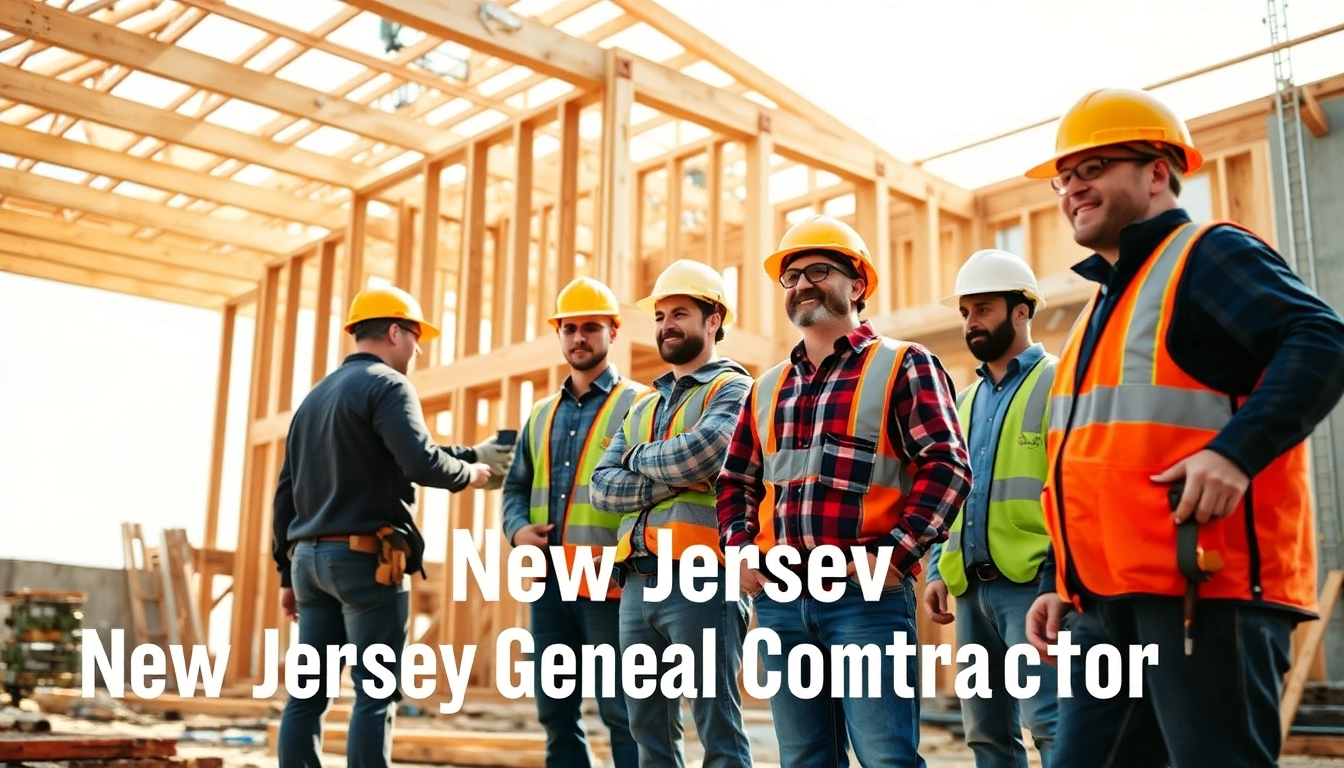
Understanding the Role of a New Jersey General Contractor
Definition and Key Responsibilities
A New Jersey General Contractor serves as the linchpin of any construction project, overseeing the planning, execution, and completion phases. Their primary responsibilities include managing subcontractors, securing permits, ensuring compliance with local regulations, and maintaining quality standards. They act as a communication bridge between the client and various professionals involved, including architects, engineers, and inspectors. A well-qualified contractor not only adeptly handles the logistical aspects but also navigates the complexities of construction timelines and budgets, ensuring smooth progression from start to finish.
Importance in Construction Projects
The role of a general contractor is paramount in ensuring the timely and successful completion of construction projects. They bring invaluable experience and sound decision-making abilities to the table, enabling them to foresee potential challenges and mitigate risks before they escalate. Their understanding of local labor markets, building codes, and construction technologies allows them to deliver projects that meet both safety standards and client expectations. Furthermore, by centralizing communication and decision-making, general contractors help streamline project management, enhancing efficiency and effectiveness throughout the build process.
How to Choose a Reliable Contractor
Selecting the right general contractor is crucial for the success of any construction endeavor. Start by conducting thorough research, seeking recommendations from trusted sources, and evaluating online reviews. Ensure that the contractor has proper licensing and insurance to operate within New Jersey. It’s advisable to request and check references from previous clients to gauge their reliability and professionalism. Additionally, scheduling interviews to discuss project specifics will provide insight into their communication style and project management approach, helping clients find a contractor who aligns with their expectations and vision.
Common Challenges Faced by New Jersey General Contractors
Budget Overruns and Financial Planning
One significant challenge general contractors often face is managing budget constraints. Initial estimates can change due to unforeseen events, such as material price fluctuations, labor shortages, or changes in project scope. Effective financial planning is essential, and contractors should incorporate contingency funds into their budgets to account for unexpected expenses. Regularly updating clients about financial standings and involving them in financial decisions can foster trust and ensure all parties are aligned with project goals.
Managing Timelines Effectively
Timelines are often tight in construction projects, and delays can lead to increased costs and client dissatisfaction. General contractors must develop meticulous project schedules, utilizing tools like Gantt charts or project management software to visualize tasks and deadlines. They need to maintain an open line of communication with all stakeholders to promptly address any delays and keep the project on track. Proactive scheduling and resource allocation, as well as frequent progress monitoring, can help mitigate the risk of significant delays.
Dealing with Regulatory Compliance
Understanding and adhering to local, state, and federal regulations is one of the more complex challenges facing general contractors in New Jersey. Zoning laws, building codes, and safety regulations must all be considered during the planning and execution phases. Failing to comply with these regulations can result in project delays, fines, or even legal repercussions. Thus, it’s vital for contractors to stay updated on any changes in legislation and continuously educate themselves on compliance requirements, often collaborating with legal experts or compliance specialists when necessary.
Best Practices for Working with a New Jersey General Contractor
Establishing Clear Communication
Clear and consistent communication is an essential component of successful project management. A well-defined communication plan that outlines the frequency and modes of communication can help keep all stakeholders informed. Clients should feel comfortable reaching out to their contractors with questions or concerns at any stage of the process. Regular meetings, status updates, and progress reports can foster transparency, strengthen relationships, and ultimately lead to better project outcomes.
Setting Realistic Expectations
Setting and managing realistic expectations is crucial from the onset of a project. Clients should work closely with their general contractors to develop a mutually agreed-upon project timeline, budget, and quality standards. During initial discussions, the contractor should provide honest feedback regarding what is feasible within the desired timeframe and budget. This approach minimizes dissatisfaction and builds trust between contractors and clients, ensuring that everyone is aligned on project goals and deliverable timelines.
Utilizing Technology in Construction
The adoption of technology can significantly enhance efficiency, safety, and collaboration on construction projects. General contractors are increasingly leveraging project management software, Building Information Modeling (BIM), and mobile applications that allow for real-time updates and tracking. This tech-savvy approach not only streamlines communication but also provides a comprehensive overview of project progress, making it easier to anticipate issues or delays before they arise.
Case Studies: Successful Projects by Local General Contractors
Innovative Solutions for Unique Challenges
Every construction project comes with its own set of challenges, and innovative problem-solving from New Jersey’s general contractors has led to successful outcomes across various projects. For example, when faced with land constraints, contractors have employed creative design solutions utilizing vertical space effectively, thus optimizing the usable area without compromising regulatory compliance. By collaborating with architects and engineers, these contractors have successfully navigated the complexities of unique site conditions, leading to successful project completions that face fewer obstacles down the line.
Client Testimonials and Feedback
Feedback from previous clients provides valuable insights into the experiences and satisfaction levels associated with particular contractors. Many clients emphasize the importance of a contractor’s ability to listen to their needs and adapt to changes throughout the project lifecycle. Word-of-mouth recommendations and documented case studies showcasing high-quality work serve as critical tools for new clients looking to hire a reliable New Jersey General Contractor. Ensuring that past projects align with the new client’s vision can be an effective barometer for future success.
Impact on Local Communities
Beyond individual projects, New Jersey general contractors play an essential role in the development of local communities. Successful projects not only enhance the physical infrastructure but also contribute to the socioeconomic landscape of the area. When general contractors engage in community development projects, they inject capital into local economies, create jobs, and improve living conditions for residents. Their commitment to sustainable practices also ensures that growth aligns with environmental preservation, fostering a positive impact on the surroundings.
FAQs About Hiring a New Jersey General Contractor
What services do New Jersey General Contractors typically offer?
New Jersey General Contractors provide comprehensive services that include project management, cost estimating, subcontractor hiring, and ensuring compliance with local building codes. They manage everything from residential renovations to commercial construction projects.
How do I verify a contractor’s credentials?
To verify a contractor’s credentials, check for appropriate licenses and insurance via New Jersey’s licensing board. Request references and review previous work to ensure reliability and professionalism before hiring.
What is the average cost of hiring a general contractor in New Jersey?
The cost of hiring a general contractor in New Jersey varies based on project size, complexity, and location but typically ranges from 10% to 20% of the total project budget. Detailed quotes can help clarify expected expenses.
How long should I expect my project to take?
Project duration in New Jersey depends on various factors, including project scope, weather conditions, and regulatory approvals. A general contractor can provide a realistic timeline based on the specific details of your project.
What should I do if there are project delays?
If there are delays, communicate promptly with your general contractor to understand the reason behind them. Collaborating on solutions and adjusting timelines as needed can help keep the project on track despite setbacks.