
Top Community Service for Students Focused on Patient Care
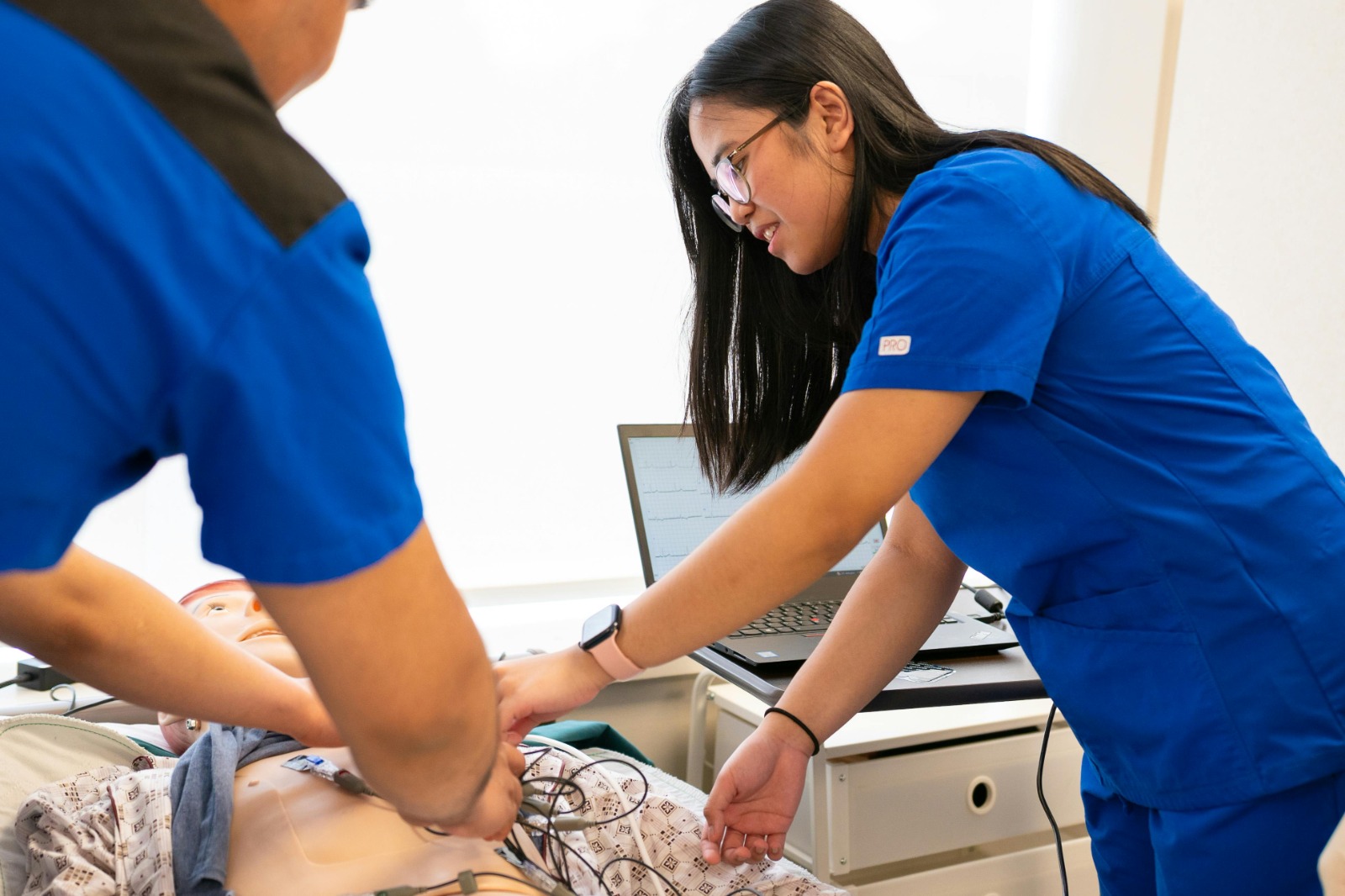
Engaging in Community service for students is one of the most rewarding ways to develop empathy, leadership, and hands-on experience in the field of patient care. For aspiring medical professionals, volunteering provides a unique opportunity to understand patients’ needs, improve communication skills, and build a compassionate approach to healthcare. By participating in community service for students, individuals can connect with diverse populations, observe real-world medical environments, and enhance their overall educational journey.
Why Community Service for Students Matters in Healthcare
Community service for students is more than a resume builder; it is an essential part of professional growth. When students immerse themselves in healthcare-related volunteer work, they develop crucial interpersonal skills and emotional intelligence. These experiences also teach students about the challenges faced by patients and the importance of empathy in medicine. Engaging in community service for students allows aspiring doctors, nurses, and allied health professionals to witness firsthand the realities of patient care, making them better equipped for future clinical responsibilities.
Types of Community Service for Students Focused on Patient Care
There are numerous avenues for community service for students interested in healthcare:
Volunteering in Hospitals and Clinics
Hospital and clinic volunteering is a cornerstone of community service for students. Tasks may include assisting nurses, helping with administrative duties, guiding patients, or providing companionship to those in need. These roles give students a glimpse into the day-to-day operations of medical facilities while building valuable skills such as teamwork and patient interaction.
Participating in Health Awareness Campaigns
Students can engage in community service for students by participating in health awareness campaigns. These initiatives often involve educating the public about preventive care, healthy lifestyle choices, and disease management. Such activities allow students to improve communication skills and gain experience in patient education, a critical aspect of medical practice.
Working with Nonprofit Organizations
Many nonprofits focus on patient care and health services, providing another excellent opportunity for community service for students. By volunteering with these organizations, students can participate in mobile clinics, assist in fundraising for medical resources, or provide support for patients with chronic illnesses. This type of service helps students understand healthcare challenges beyond hospital walls.
Benefits of Community Service for Students in Medical Fields
Engaging in community service for students comes with numerous benefits that go beyond clinical knowledge.
Enhancing Empathy and Compassion
By interacting with patients and communities, students develop a deep sense of empathy. Experiencing the realities of illness, recovery, and healthcare disparities encourages students to approach patient care with compassion. This emotional growth is a direct outcome of community service for students who dedicate their time to meaningful healthcare interactions.
Developing Professional Skills
Community service for students helps in developing essential skills such as communication, leadership, and teamwork. These skills are highly valued in medical school applications and future careers. Volunteering also teaches time management and adaptability, as students often work in dynamic healthcare environments.
Networking and Mentorship Opportunities
Through community service for students, aspiring medical professionals can meet mentors, healthcare providers, and peers who share their passion for patient care. These connections can offer guidance, references, and valuable insights into medical careers, further enhancing students’ professional development.
How Students Can Find Community Service Opportunities
Finding suitable community service for students focused on patient care requires planning and research. Many universities and colleges have volunteer programs in partnership with local hospitals and clinics. Additionally, online platforms and nonprofit organizations often list opportunities for students looking to contribute to healthcare initiatives. Students should seek programs that align with their interests, availability, and career goals to maximize the benefits of community service for students.
Tips for Maximizing the Impact of Community Service
To gain the most from community service for students, it’s important to approach volunteering with dedication and intentionality. Setting clear goals, maintaining a reflective journal, and seeking feedback from supervisors can help students grow professionally and personally. Consistently participating in community service for students over time allows for deeper learning, stronger relationships, and a more profound understanding of patient care.
Long-Term Advantages of Community Service for Students
The long-term benefits of community service for students extend well into professional life. Students who engage in healthcare volunteering often develop better bedside manners, stronger ethical reasoning, and a holistic perspective on medicine. These experiences also enhance medical school applications and open doors to scholarships, internships, and research opportunities. Ultimately, community service for students lays the foundation for a career centered on empathy, patient advocacy, and meaningful impact in healthcare.
Conclusion
Participating in community service for students is a transformative experience that equips aspiring healthcare professionals with skills, empathy, and insights that cannot be gained in a classroom alone. From volunteering in hospitals to joining health awareness campaigns, these opportunities offer invaluable exposure to patient care. Students who dedicate themselves to community service for students not only enhance their personal and professional growth but also contribute significantly to the well-being of the communities they serve. Making community service a priority is a step toward becoming a compassionate, knowledgeable, and effective healthcare provider.