
Understanding Peptides: The Building Blocks of Advanced Therapeutics
Introduction to Peptides
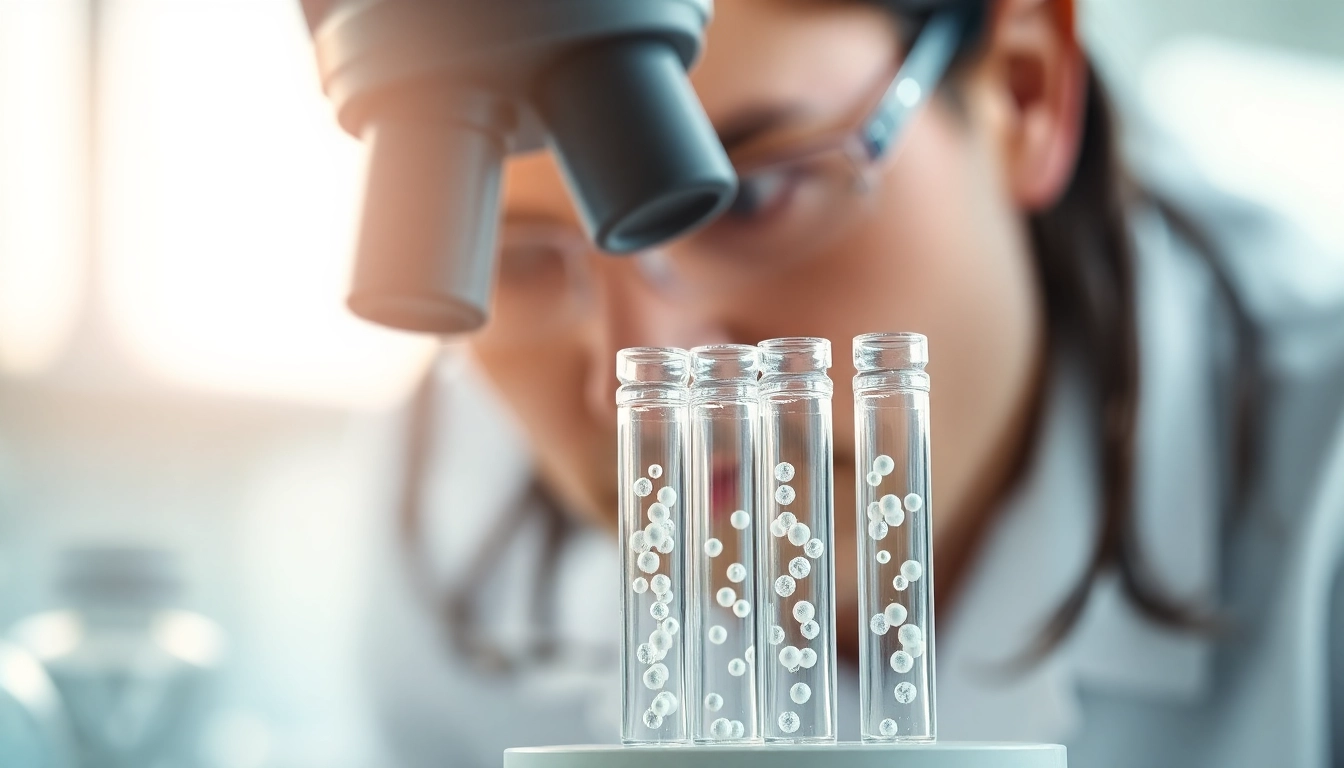
Peptides are short chains of amino acids, the building blocks of proteins, that play essential roles in various biological processes within the body. Unlike proteins, which are composed of long chains of amino acids, peptides typically comprise fewer than 50 amino acid residues, allowing them to function in distinct, targeted ways. As our understanding of these biomolecules deepens, the potential applications for Peptides in medicine, biotechnology, and beyond are rapidly expanding.
What Are Peptides?
At their core, peptides are organic molecules formed through the condensation of amino acids. They play crucial roles in maintaining cellular functions and regulating biological processes. Peptides can act as hormones, neurotransmitters, enzymes, and even signaling molecules. Their concise structure allows them to bind with high specificity to receptors and other molecules within the body, prompting biological responses that are vital for homeostasis and overall health.
The Role of Peptides in Biochemistry
In biochemistry, peptides are integral to signaling pathways and regulatory mechanisms. They can influence metabolic pathways, control hormonal release, and modulate the immune response. For instance, insulin, a peptide hormone, regulates glucose levels in the bloodstream, while neuropeptides are involved in various neurological functions, including pain perception and mood regulation. Understanding the intricate roles of peptides enables researchers to develop targeted therapies and innovative treatments for numerous health conditions.
Types of Peptides and Their Functions
There are several types of peptides, each serving unique functions across various biological systems. These include:
- Hormonal Peptides: Such as insulin and glucagon, these peptides regulate metabolism and maintain homeostasis.
- Signal Peptides: Involved in cell signaling, these peptides communicate messages between cells to coordinate biological activities.
- Antimicrobial Peptides: Found in many organisms, they serve as a first line of defense against pathogens.
- Neuropeptides: These play crucial roles in the nervous system, influencing mood, pain, and cognitive functions.
- Peptide Hormones: Aside from insulin, this category includes hormones like oxytocin and leptin, which are vital for various physiological processes.
Applications of Peptides in Medicine
The applications of peptides in medicine are vast and varied, shaping the future of therapeutic treatments. Their specificity and versatility make them valuable tools in managing diseases ranging from metabolic disorders to cancer.
Peptides in Hormonal Regulation
Hormonal peptides play a critical role in regulating physiological functions such as growth, metabolism, and reproduction. For example, the peptide hormone ghrelin stimulates appetite and promotes food intake, while leptin, another peptide hormone, signals satiety and energy expenditure. Understanding these mechanisms has paved the way for developing peptide-based treatments for obesity and related metabolic issues.
Peptides in Drug Development
Peptides are increasingly recognized as viable candidates for drug development due to their ability to mimic natural biological processes. They can be engineered to enhance specificity and reduce side effects compared to traditional small molecule drugs. Moreover, peptide therapeutics are often easier to produce and modify, allowing for rapid iterations in drug design. Research in cancer therapy has demonstrated that certain peptides can selectively target tumor cells, reducing harm to normal cells.
Therapeutic Uses of Peptides
Peptides have found therapeutic applications in various conditions, including diabetes, cardiovascular diseases, and cancer. For example, peptide-based drugs like exenatide mimic the action of incretins, hormones that lower blood sugar levels. These therapies have been pivotal in managing type 2 diabetes. Similarly, hormone-replacement therapies utilizing specific peptides assist with conditions caused by hormonal deficiencies, showcasing their adaptability in individualized treatment plans.
How to Synthesize Peptides
The synthesis of peptides is a complex process that combines chemical and biological approaches to create stable, functional molecules. This section explores common methods, purification processes, and quality control measures vital for producing high-quality peptides.
Common Synthesis Methods
Several methods exist for peptide synthesis, each with its advantages and trade-offs. The most well-known synthesis methods include:
- Solid-Phase Peptide Synthesis (SPPS): This method involves building peptides on a solid resin, allowing for easy purification and efficiency in production.
- Liquid-Phase Peptide Synthesis: In this traditional method, peptides are synthesized in solution, allowing for more extended sequences but requiring more purification steps.
- Recombinant DNA Technology: This approach utilizes living cells to produce peptides, enhancing yield and enabling the incorporation of unnatural amino acids.
Purification Processes for Peptides
Once synthesized, peptides must be purified to remove impurities and by-products. Common purification techniques include:
- High-Performance Liquid Chromatography (HPLC): This method separates peptides based on their polarity and size, ensuring high purity levels.
- Ion-Exchange Chromatography: This technique separates peptides based on their charge, aiding in the refinement of synthesis outputs.
- Mass Spectrometry: Used for analysis, it ensures that the desired peptide sequence and structure are achieved.
Quality Control Measures
Ensuring the quality of synthesized peptides is crucial for their application in clinical and research settings. Quality control measures include:
- Analytical Techniques: Using methods like HPLC and mass spectrometry to verify purity and confirm peptide identity.
- Stability Testing: Assessing the stability of peptides under various conditions to ensure their efficacy over time.
- Bioactivity Assays: Evaluating the biological activity of peptides to confirm their intended therapeutic effects.
Research and Innovations in Peptide Science
Peptide science is a rapidly evolving field, driven by advances in laboratory techniques and a deeper understanding of biological systems. Ongoing research offers promising innovations with significant implications for health and disease management.
Current Trends in Peptide Research
Current research trends in peptide science focus on synthesizing novel peptides with enhanced biological activity, stability, and selectivity. Researchers are investigating the applications of biodegradable peptides for drug delivery systems, potentially reducing side effects and improving patient outcomes. The utilization of peptides in personalized medicine—tailoring treatments to individual genetic profiles—is also gaining traction, promising more efficient therapies.
Peptide Vaccines and Their Promise
Peptides are emerging as a vital component of vaccine development. Peptide vaccines can stimulate targeted immune responses without the risks associated with whole pathogens, making them safer alternatives. They are particularly promising in developing vaccines for chronic infections and cancers, where boosting the immune response is crucial. Ongoing clinical trials are testing the efficacy of peptide-based vaccines against various diseases, showcasing their potential in modern immunotherapy.
Future Directions in Peptide Applications
The future of peptide applications is extensive, with promising avenues including the exploration of peptide-based diagnostics, enhancing drug delivery systems, and improving the treatment of complex diseases like Alzheimer’s and diabetes. Researchers are also focusing on developing peptides that can cross the blood-brain barrier, opening new horizons in neurological therapies. As technology advances, the scope for peptide applications will likely continue to expand, making them critical players in the future of medicine.
FAQs about Peptides
What are the main benefits of peptides?
Peptides offer benefits like targeted therapy, high specificity, and lower side effects in treatments for various conditions, including hormonal imbalances and metabolic disorders.
Are peptides safe for human consumption?
Many peptides are safe and are widely used in medical applications. However, their safety depends on the specific peptide and dosage. Always consult a healthcare professional before use.
How do peptides improve skin health?
Peptides can enhance skin health by promoting collagen production, improving hydration, and reducing inflammation, making them popular in skincare products for anti-aging effects.
What is the difference between peptides and proteins?
Peptides are smaller chains of amino acids (up to 50) and usually have specific biological functions, while proteins are longer chains and have more complex structures and roles in the body.
Can peptides be used in weight management?
Yes, specific peptides can help with weight management by influencing appetite and metabolism, providing therapeutic options for obesity and related conditions.