
Understanding the Production Process at a Stainless Steel Basin Factory
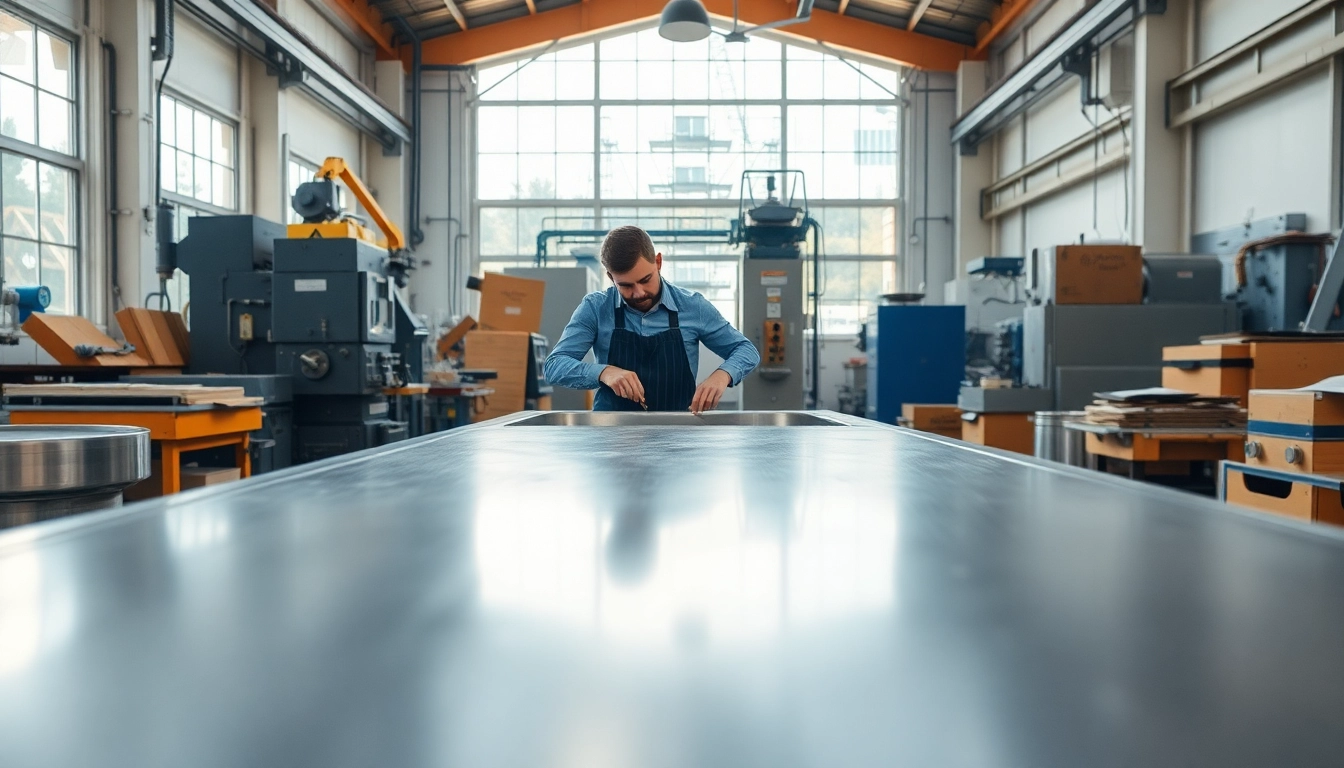
Introduction to Stainless Steel Basin Factory
The stainless steel basin factory is at the forefront of manufacturing essential kitchen and bathroom fixtures that marry functionality with aesthetic appeal. As contemporary designs increasingly favor minimalist and durable materials, the demand for stainless steel basins has surged. Understanding the intricate processes and standards upheld in a stainless steel basin factory not only highlights the craftsmanship involved but also underscores the importance of quality in a competitive marketplace. In this article, we will delve into the various aspects of stainless steel basin production, exploring materials, manufacturing processes, quality control measures, and innovations propelling the industry forward. For more information on these manufacturing processes, check out this stainless steel basin factory.
Overview of Stainless Steel Basin Manufacturing
Manufacturing stainless steel basins involves multiple stages that transform raw materials into polished products ready for market. Typically sourced from high-grade stainless steel, the manufacturing process begins with the selection of quality materials, which are known for their durability, resistance to corrosion, and ease of cleaning. This makes stainless steel an ideal choice not just for its functional aspects but also for its aesthetic versatility, capable of complementing various design philosophies. An efficient manufacturing operation ensures that each basin produced meets the desired specifications and standards, thus ensuring customer satisfaction and loyalty.
Importance of Quality in Production
Quality in production is paramount in the stainless steel basin factory. Customers expect durable, high-quality products that can withstand daily use while maintaining their aesthetic appeal. Therefore, manufacturers invest in strict quality control measures, using precise manufacturing techniques to eliminate defects and ensure longevity. A high standard of quality directly impacts the reputation of the factory and, by extension, influences sales and market competitiveness. In a market where consumers often choose reliability over price, prioritizing quality can be a distinguishing factor for any stainless steel basin factory.
Materials Used in a Stainless Steel Basin Factory
The primary material used in a stainless steel basin factory is stainless steel, which contains iron, carbon, and a minimum of 10.5% chromium. This unique blend provides resistance to rust, stains, and other types of corrosive damage. Various grades of stainless steel are employed, with 304 and 316 stainless steel being the most common due to their strong corrosion resistance properties. In addition to stainless steel, other materials such as rubber for gaskets, adhesives, and packaging materials are also utilized to complete the production process. Implementing high-quality materials at every stage ensures a superior product reaches the hands of consumers.
Key Processes in a Stainless Steel Basin Factory
Cutting and Shaping Stainless Steel
The cutting and shaping of stainless steel is a critical step in basin production that requires precision and expertise. Various techniques such as laser cutting, shearing, and waterjet cutting are employed to attain the desired dimensions and shapes for basins. Laser cutting provides high accuracy and complex shapes, while shear cutting is more economical for simpler designs. The shaped stainless steel is then formed into the basin’s basic structure through processes like deep drawing or hydroforming, allowing for versatility in design while maintaining the strength necessary for daily use. Properly executed cutting and shaping ensure material waste is minimized and production efficiency is maximized.
Welding Techniques for Durability
Welding is a vital process in the production of stainless steel basins, as it ensures the integrity and strength of the final product. Methods such as TIG (Tungsten Inert Gas), MIG (Metal Inert Gas), and spot welding are commonly used, depending on the specific requirements of the basin being produced. TIG welding, for example, offers high precision and control, making it suitable for thin sheets of stainless steel. On the other hand, MIG welding is faster and better for thicker sections. The choice of welding technique directly impacts the durability of the basin, influencing how well it holds up to typical wear and tear.
Finishing Touches in Basin Production
Finishing touches greatly enhance the aesthetic appeal and functionality of stainless steel basins. This stage typically involves processes such as grinding, polishing, and chemical passivation. Grinding smooths out any irregularities, while polishing helps achieve a mirror-like finish or desired texture that enhances the visual appeal. Chemical passivation removes free iron from the surface, significantly improving corrosion resistance. A well-finished basin not only looks great but also provides ease of maintenance, essential for consumer satisfaction.
Quality Control Measures in a Stainless Steel Basin Factory
Inspecting Raw Materials
The journey to a high-quality stainless steel basin begins with inspecting raw materials. Before production starts, materials must undergo rigorous testing to verify their composition, strength, and resistance to corrosion. Manufacturers often conduct tests such as chemical analysis and mechanical testing to ensure that supplied materials meet stringent quality guidelines. Adequate sourcing and inspection of raw materials serve as the foundation for creating durable basins that meet customer expectations.
Testing Finished Products
Once the basins are produced, thorough testing is essential to confirm that they conform to the required specifications. Finished products are scrutinized for structural integrity, functionality, and aesthetic quality. Testing methods might include pressure testing, where basins are subjected to various conditions to ensure they can hold water without leaking. Each test provides valuable insights that allow manufacturers to identify and rectify issues before products reach the market.
Ensuring Consistency in Production
Consistency in production processes ensures that every basin produced meets standardized quality metrics. Implementing a quality management system allows factories to track variations in production, maintain records and refine processes based on performance data. Regular audits and continuous feedback loops from both the production floor and customers play a part in sustaining a high level of consistency that keeps consumer trust intact and reduces the likelihood of defects or rejections.
Innovations in Stainless Steel Basin Production
Technological Advancements in Factories
Modern stainless steel basin factories are increasingly leveraging advanced technologies to boost efficiency and quality. Automation, robotics, and advanced software are being introduced into the production line, allowing for synchronized operations, reduced labor costs, and minimized human error. For instance, Industry 4.0 technologies like IoT sensors can monitor production processes in real-time, ensuring optimal operation and preempting possible issues. These advancements pave the way for a new era of manufacturing that enhances productivity and quality simultaneously.
Eco-friendly Practices in Manufacturing
As sustainability becomes a global priority, stainless steel basin factories are adopting eco-friendly practices that minimize environmental impact. This might include optimizing energy consumption, recycling scrap materials, and using water-efficient processes. Additionally, many factories are working to comply with international standards for environmental management, such as ISO 14001. By incorporating greener practices, manufacturers not only appeal to eco-conscious consumers but also contribute positively to broader sustainability goals.
Automation and Efficiency Improvements
Automation in stainless steel basin factories has emerged as a significant efficiency driver. Automated systems can manage repetitive tasks, freeing skilled workers for more complex responsibilities that require expertise. Through the integration of advanced machinery, like CNC (computer numerical control) machines and automated welding robots, production speed and precision are greatly enhanced. Efficient workflows minimize waste and maximize output, providing a competitive edge in a fast-paced market.
Frequently Asked Questions about Stainless Steel Basin Factory
What is the typical production time for stainless steel basins?
The production time varies by design complexity, but it generally takes a few days to a week from order to completion.
How do factories ensure quality in stainless steel basins?
Factories ensure quality through rigorous testing, inspections at every production stage, and the use of high-grade materials.
Are stainless steel basins environmentally friendly?
Yes, stainless steel is recyclable, and many factories adopt eco-friendly practices for a responsible manufacturing process.
What sizes of basins can a stainless steel basin factory produce?
Factories can produce a wide range of basin sizes, accommodating both custom requests and standard dimensions.
What types of finishes are available for stainless steel basins?
Common finishes include brushed, polished, and matte, catering to various aesthetic preferences of consumers.