
Understanding Why Your Carbon Monoxide Detector Is Beeping: Key Causes and Solutions
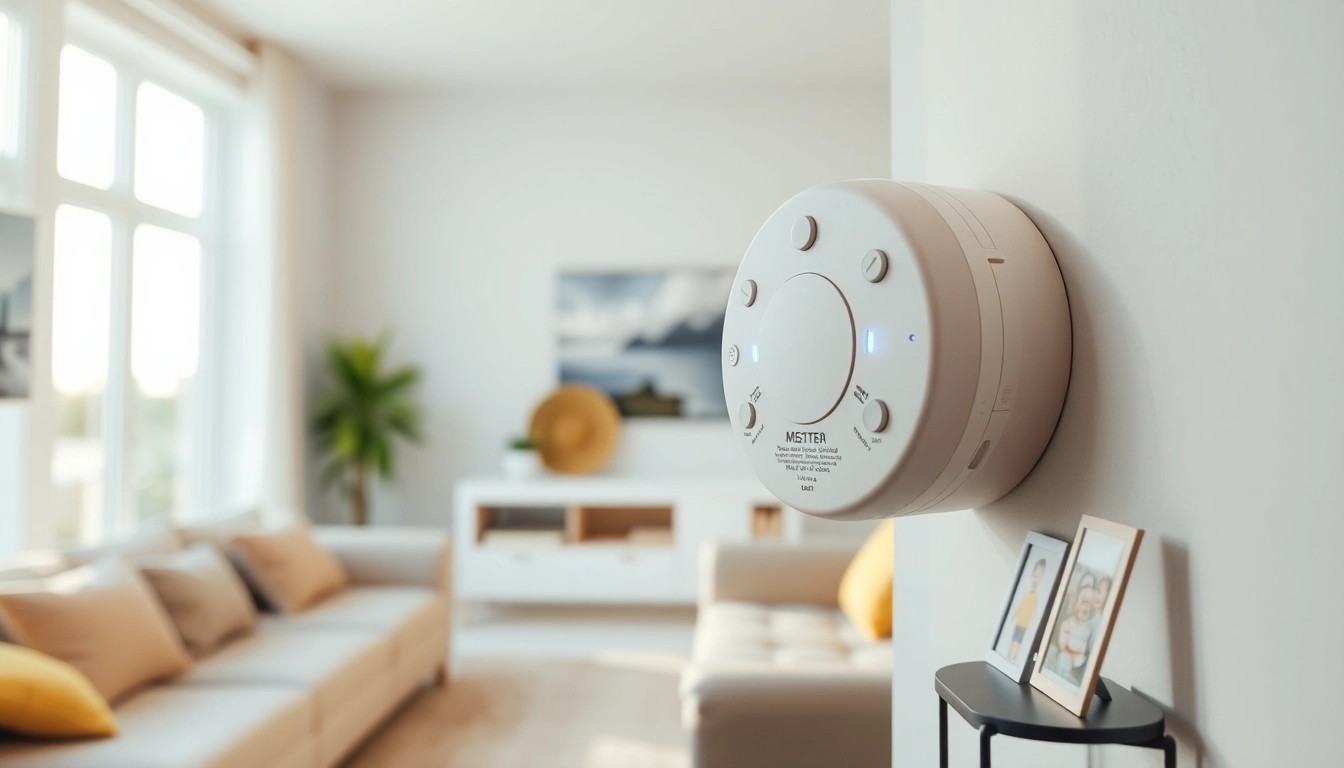
Understanding Carbon Monoxide Detector Beeping
Carbon monoxide (CO) detectors are essential devices in modern homes, providing vital protection against the silent yet deadly gas, carbon monoxide. When carbon monoxide detector beeping occurs, it can be alarming. The sounds of beeping can signify a variety of important signals from these crucial devices. Understanding why your CO detector is beeping, what those beeping patterns mean, and how to effectively respond can ensure your safety and peace of mind.
What is Carbon Monoxide?
Carbon monoxide is a colorless, odorless gas produced by burning fuel. It’s notoriously difficult to detect without appropriate tools because it does not give off any visible signs or smells. Common sources of carbon monoxide include gas appliances, vehicles, and faulty heating systems. Exposure to high levels of CO can lead to serious health issues, including headaches, dizziness, confusion, and in severe cases, death. This makes understanding the functionality of carbon monoxide detectors and the significance of their alerts imperative for safety.
How Do Carbon Monoxide Detectors Work?
Carbon monoxide detectors function using sensors that detect the presence of CO in the air. When levels surpass a specific threshold, the detector triggers an alarm or beeping sound that alerts occupants. Two primary types of sensors are used: electrochemical sensors and metal-oxide semiconductor sensors. Electrochemical sensors are more common in residential settings due to their reliability and accuracy. They detect CO by measuring the changes in electrical current produced when carbon monoxide interacts with a chemical solution.
Common Beeping Patterns Explained
Understanding the various beeping patterns of carbon monoxide detectors is crucial for safety. Here are some common signals:
- Continuous Beeping: Typically indicates the presence of CO in dangerous amounts. Immediate action is required.
- Single Chirp Every 30-60 Seconds: Often a warning of a low battery or that the detector is nearing the end of its life.
- Multiple Beeps (Three or Four Beeps): This pattern can indicate various issues, including the presence of carbon monoxide, or in some models, it might signal a malfunction.
Primary Reasons for Carbon Monoxide Detector Beeping
Low Battery Indicators
A common cause for a CO detector beeping is a low battery. Most models emit a chirping noise, usually once per minute, to alert users that replacement is necessary. This signal serves a critical function, allowing time to change the battery before the device becomes non-operational. Regular maintenance, including scheduling battery checks every six months, can prevent this nuisance and ensure the detector is always ready to function effectively.
End-of-Life Alerts
Carbon monoxide detectors have a finite lifespan and typically last between 5 to 7 years. Many models will sound an alarm or emit a series of chirps to alert users that the unit needs to be replaced. End-of-life notifications generally occur as consistent chirps, which can be distressed when unrecognized. Homeowners should regularly check the manufacturing date on their detectors, replacing them as necessary to ensure continued protection.
Malfunction Signals
Occasionally, the beeping may signal a malfunction within the device. If the detector beeps frequently without reason, it may not be functioning correctly. Some models even provide specific patterns to denote a malfunction. Regular checks on the unit’s functionality can include cleaning and following manufacturer guidelines for troubleshooting. If issues persist, contacting customer service or replacing the unit may be necessary.
Safety Responses to Carbon Monoxide Detector Beeping
Immediate Actions to Take
Upon hearing your carbon monoxide detector beeping, it’s crucial to respond quickly. First, determine what type of alarm signal you are hearing. If it’s a continuous beep, evacuate the premises immediately and ensure all inhabitants leave safely. Opening windows and doors may help, but prioritize getting to fresh air. Once safe, call emergency services for guidance.
When to Evacuate
Evacuation is necessary if the detector indicates a significant level of carbon monoxide or if there are any signs of potential poisoning, such as headaches, dizziness, or nausea among occupants. Always err on the side of caution and treat the situation seriously. Wait outside until emergency responders arrive and recommend the next steps.
Contacting Emergency Services
If your carbon monoxide detector is beeping continuously, contact emergency services immediately. Provide them with details regarding your location and the situation to ensure a prompt response. If you have evacuated, inform them of all individuals who were inside the premises, as they will conduct air quality checks and may perform medical evaluations if necessary.
Maintenance Tips for Carbon Monoxide Detectors
Regular Testing Procedures
Regular testing of carbon monoxide detectors is essential for maintaining home safety. Most experts recommend testing your detectors at least once a month. This can be done easily by pressing the test button on the unit. A successful test should produce a loud beep, confirming the device is operational. If the alarm does not sound, replace the batteries or troubleshoot possible electrical issues.
Cleaning and Care
Dust and debris can hinder the functionality of carbon monoxide detectors. Lightly vacuuming the surface of the unit and using a damp cloth to wipe it down can help maintain its performance. Ensure that vents are free of obstructions and regularly check for any signs of wear and tear on the device to keep it in optimal working condition.
Replacement Guidelines
Replacement of carbon monoxide detectors is critical to ensure continued safety. Follow the manufacturer’s guidelines regarding lifespan, generally ranging from 5 to 7 years. Even if the detector appears functional, replace it at intervals recommended. Installing new detectors can also provide additional technology and features that enhance safety.
Frequently Asked Questions
Why is my carbon monoxide detector randomly beeping?
Intermittent beeping often indicates a low battery or sensor fault. Replacing the battery usually resolves the issue. If beeping persists, reset the unit or check for dust buildup.
How can I stop my carbon monoxide detector from beeping?
First, determine the cause of the beeping. If it’s due to low battery or end-of-life, replace it. For malfunction alarms, try cleaning the unit or consult the manufacturer’s instructions.
What do different beeping patterns mean?
Continuous beeping indicates danger from carbon monoxide, while chirping usually signifies a low battery or end-of-life alert. Familiarize yourself with your model’s specific patterns.
How often should I replace my carbon monoxide detector?
Carbon monoxide detectors should be replaced every 5 to 7 years, as recommended by manufacturers. Regular checks on the production date will help ensure timely replacement.
Is it safe to ignore short beeping sounds?
No, short beeping sounds should not be ignored. They often indicate a low battery or malfunction and must be resolved promptly to ensure the device functions correctly.