
Mastering Construction Safety Classes for Effective Workforce Protection
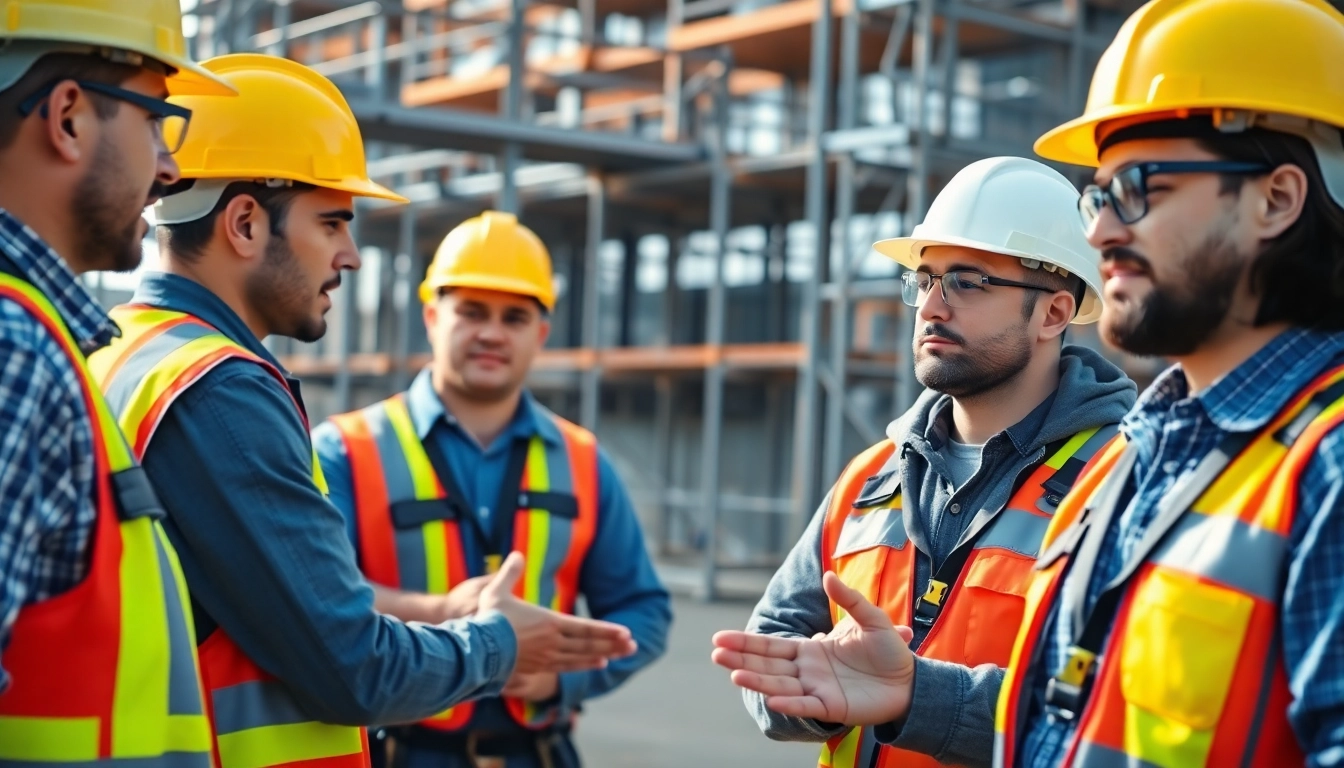
Understanding Construction Safety Classes
Construction sites are inherently dangerous environments, which makes safety training essential for preventing accidents and ensuring a safe workplace. Construction safety classes play a pivotal role in equipping workers and supervisors with the knowledge and skills necessary to identify hazards, manage risks, and respond effectively in emergencies. This article delves deeply into the various aspects of construction safety classes, emphasizing their significance in the industry.
Importance of Safety Training in Construction
The construction industry is one of the most hazardous sectors, characterized by a high incidence of workplace injuries and fatalities. According to statistics from agencies such as the Bureau of Labor Statistics, a significant percentage of workplace deaths occur in construction-related activities. Safety training is, therefore, not just a regulatory requirement; it is a critical component of operational excellence that can save lives, reduce injuries, and lower costs associated with workplace incidents.
Moreover, investing in safety training cultivates a culture of safety within an organization. When workers understand the risks and are trained to mitigate them, they are more likely to engage in safer practices, looking out for themselves and their colleagues. Additionally, informed workers can contribute to a more efficient workflow, as safe practices often lead to fewer disruptions and improved morale.
Regulatory Standards Guiding Safety Classes
Multiple regulatory bodies set the standards for safety training in construction. The Occupational Safety and Health Administration (OSHA) provides guidelines and regulations aimed at protecting workers from unsafe working conditions. OSHA mandates that employers must provide comprehensive safety training appropriate to the job, ensuring workers understand not only the hazards they may face but also the safety protocols designed to protect them.
Compliance with these regulations is not optional; failure to adhere can result in severe penalties, including fines and work stoppages. Therefore, construction safety classes must be aligned with OSHA standards to ensure they meet legal requirements and provide valuable training that reflects current safety practices.
Types of Safety Classes Offered
Construction safety classes cover a wide range of topics tailored to various roles in the industry. From entry-level workers to seasoned professionals, specialized classes are available to suit different needs:
- General Safety Orientation: Introductory training that covers basic safety protocol, hazard recognition, and emergency procedures.
- Personal Protective Equipment (PPE): Focuses on the proper use and maintenance of PPE to ensure workers are protected from workplace hazards.
- Fall Protection Training: This class covers techniques and equipment to prevent falls from heights, a leading cause of injury in construction.
- Hazardous Material Handling: Educates workers on the safe handling, storage, and disposal of hazardous materials and chemicals.
- First Aid and CPR: Offers essential lifesaving skills to respond to medical emergencies on-site.
Core Topics in Construction Safety Classes
Personal Protective Equipment (PPE) Guidelines
PPE is the frontline defense against workplace injuries. It includes items like hard hats, gloves, safety goggles, and respiratory protection. Training within this topic emphasizes the correct selection, use, and maintenance of PPE tailored to specific job tasks. For instance, workers in high-visibility environments might require reflective gear, while those dealing with chemicals may need specialized respirators. Understanding the importance of PPE can dramatically decrease the risk of injury and enhance compliance with safety regulations.
Hazard Communication and Risk Assessment
Effective communication about hazards is vital in construction. Safety classes teach workers how to properly read Material Safety Data Sheets (MSDS) and understand safety labels on chemicals and materials. Additionally, risk assessment training enables employees to identify and evaluate potential hazards before they become a problem. This proactive approach is crucial for creating a safe working environment and is often part of the overall safety culture that organizations strive to foster.
Emergency Response Planning in Construction
Preparedness for emergencies is a fundamental aspect of safety training. Courses typically cover evacuation procedures, emergency contact protocols, and first responder roles. Practicing emergency drills helps familiarize workers with protocols, ensuring that everyone knows their responsibilities if an incident occurs. By instilling a strong sense of preparedness, companies can minimize the impact of emergencies on health, safety, and productivity.
Benefits of Attending Construction Safety Classes
Reducing Workplace Accidents and Injuries
One of the most immediate benefits of construction safety classes is the significant reduction in workplace accidents and injuries. By equipping workers with the knowledge to identify hazards and protocols to mitigate risks, companies can create a safer environment. This reduction directly correlates with lower insurance premiums and fewer costs associated with worker compensation claims, making safety training a sound financial investment.
Enhancing Team Cohesion and Efficiency
Safety training promotes teamwork and collaboration among workers. As individuals learn together, they build stronger relationships, fostering a sense of community and shared responsibility. This collective commitment to safety can also enhance overall efficiency, as a cohesive team is more likely to communicate effectively and work collaboratively to resolve safety challenges, ultimately leading to improved productivity on the job site.
Career Advancement Opportunities through Training
For workers, attending construction safety classes can open doors to career advancement. Employers often favor employees who show initiative in their safety education, which can lead to promotions and specialist roles. Enhanced safety training credentials on resumes can make individuals more competitive in the job market. Continuous education, therefore, not only contributes to a safer workplace but can also be a pivotal factor in personal career growth.
Best Practices for Implementing Safety Classes
Choosing the Right Training Provider
Selecting a competent training provider is critical to the success of safety classes. Organizations should look for providers with a solid reputation, certified trainers, and training programs that comply with OSHA standards. Reviews and testimonials can provide helpful insights, while a thorough evaluation of the training content ensures it aligns with specific industry needs. Additionally, hands-on training opportunities can enhance the learning experience and retention of safety practices.
Engaging Workers in Safety Protocols
Effective engagement of workers is essential for successful safety training. Interactive methods, such as workshops, hands-on exercises, and role-playing scenarios, can yield better results compared to traditional lectures. Establishing forums or feedback mechanisms where workers can voice concerns or share safety observations also fosters engagement and creates an inclusive safety culture. A motivated workforce will take safety protocols seriously, which in turn promotes compliance and adherence to established practices.
Measuring the Effectiveness of Safety Training
To ensure that training goals are met, organizations should implement measures to evaluate the effectiveness of their safety classes. Pre- and post-training assessments can highlight knowledge gains, while incident tracking allows companies to monitor changes in workplace accidents over time. Regular feedback from employees about the training experience and its applicability to their roles can also inform adjustments needed for future training sessions. Continuous improvement is critical to adapt training based on identified trends and emerging risks in the construction industry.
FAQs about Construction Safety Classes
What are construction safety classes?
Construction safety classes are educational programs designed to train workers on how to identify hazards, use safety equipment, and adhere to safety protocols on construction sites.
Who needs to attend these classes?
All construction workers, supervisors, and managers should attend safety classes to understand workplace hazards and implement safety measures effectively.
How long do safety classes typically last?
Duration varies based on the class content, typically ranging from a few hours for specific topics to several days for comprehensive training programs.
What are the costs associated with safety training?
Costs for safety training can vary widely depending on the provider, course length, and type of training, but investing in safety education is often financially beneficial long-term.
How can I find reputable safety training providers?
Begin searching for reputable safety training providers by checking for certifications, reviews, and recommended programs from industry associations or OSHA websites.